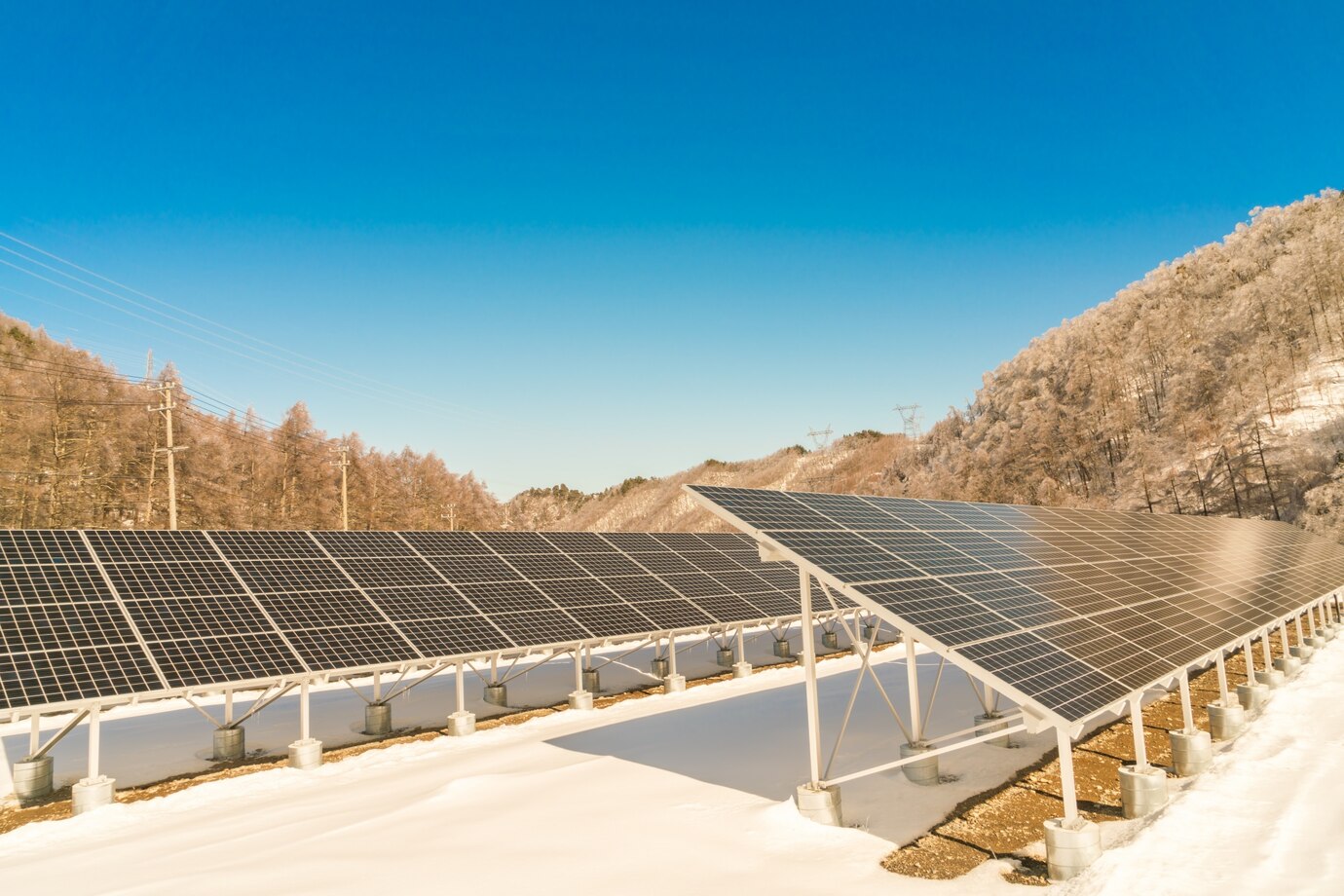
Africa is the most promising battlefield in the global energy transition and also the testing ground with the sharpest contradictions. With 630 million people without access to electricity, an annual GDP loss of $47 billion due to power shortages, and the lowest energy storage penetration rate in the world (less than 1%), it outlines a market worth billions of dollars that urgently needs to be developed. This white paper, based on field research in 15 key African countries, interviews with more than 200 enterprises, and 10 - year energy data modeling, systematically deconstructs the market differences among various countries for the first time, revealing the deep - seated logics of technological routes, policy games, and capital games.
1. African Energy Panorama: Data - Driven National Stratification
1.1 Differences in Electrification Rates and Energy Poverty among Countries
| Country | National Electrification Rate | Urban Electrification Rate | Rural Electrification Rate | Population without Electricity (Million) |
| Nigeria | 55% | 86% | 26% | 92 |
| Ethiopia | 47% | 89% | 33% | 64 |
| Democratic Republic of the Congo | 19% | 42% | 4% | 78 |
| South Africa | 85% | 89% | 66% | 8 |
| Kenya | 75% | 82% | 63% | 15 |
| Data Source: World Bank (2023) | ||||
Key Discoveries:
Stratification Logic: According to the electrification gap and economic vitality, African countries can be divided into three categories:
Strategic High - ground Type (South Africa, Kenya): The power grid coverage is relatively good, but the demand for backup power sources in industry and commerce is booming.Incremental Explosion Type (Nigeria, Ethiopia): With a large population base, the penetration rate of off - grid systems increases by more than 25% annually.Absolute Blank Type (Democratic Republic of the Congo, Central African Republic): High security risks, requiring joint development by NGOs and the government.1.2 The Economic Cost of Diesel Dependence
Nigerian enterprises' average annual diesel expenditure accounts for 12% - 18% of their operating costs, three times higher than that in Southeast Asia.In Mozambique, 30% of seafood spoils due to lack of refrigeration power in the fishing industry (FAO data).2. Off - grid Energy Storage Demand: Fission - like Growth from Households to Industries
2.1 National Adaptability of the Pay - As - You - Go Model for Household Energy Storage
| Country | Average Household System Power | Main Price Range | Payment Method Penetration Rate |
| Kenya | 80 - 150W | 300 - 500 | Mobile payment 85% |
| Tanzania | 50 - 100W | 200 - 400 | Mobile payment 62% |
| Zambia | 100 - 200W | 400 - 800 | Cash payment - dominated |
Typical Cases:
The Rwandan government mandatorily requires solar home systems (SHS) to integrate 4 - hour energy storage, driving the proportion of lithium - ion batteries to rise from 12% in 2019 to 58% in 2023.In northern Nigeria, religious forces obstruct women from independently purchasing energy storage equipment. Enterprises develop a "family joint lease" model to break through the obstacles.2.2 The Outbreak of Rigid Demand for Industrial and Commercial Energy Storage in Mining and Agriculture
Cobalt mines in the Democratic Republic of the Congo: Each mine needs to be equipped with a 2 - 5MW energy storage system to hedge against grid fluctuations, with a single - project investment exceeding $20 million.Flower cultivation in Kenya: The demand for cold - chain energy storage increases by 40% annually. Dutch enterprises provide an integrated "photovoltaic + cold storage" solution.3. In - depth Analysis of Regional Markets: Strategic Opportunities of Six Major Economies
3.1 West Africa: The Turmoil and Opportunities in Nigeria
Market Capacity: In 2023, the off - grid energy storage market size was $210 million, with an annual growth rate of 31%.Policy Risks: The new president abolished fuel subsidies, causing diesel prices to rise by 47%, forcing up the demand for energy storage.Localization Traps: A Chinese enterprise's battery life was shortened by 40% due to failure to adapt to the high - temperature environment above 45°C.3.2 East Africa: Kenya's Niche Positioning
Technology Test Field: The world's first commercialized sodium - ion battery micro - grid was deployed in 2023.Payment Revolution: The M - Pesa platform enables "time - sharing leasing" of energy storage systems, allowing users to purchase electricity by the hour.3.3 Southern Africa: The Industrial Upgrading Demands in South Africa
Peak - valley Electricity Price Difference: It reaches $0.18/kWh, driving industrial and commercial users to configure 2 - 4 - hour energy storage.Technology Preference: 80% of enterprises require UL - certified products, and local brands only account for 12% of the market share.4. Competition of Technological Routes: The Game among Lithium - ion Batteries, Lead - acid Batteries, and Emerging Technologies
4.1 Differences in Cost and Lifespan among Countries
| Country | Proportion of Lead - acid Batteries | Proportion of Lithium - ion Batteries | Local Recycling Rate |
| Uganda | 88% | 9% | <5% |
| Ghana | 65% | 32% | 18% |
| Morocco | 23% | 74% | 41% |
4.2 Breakthrough Points of Emerging Technologies
Vanadium Redox Flow Batteries in South Africa: Relying on 75% of the world's vanadium ore reserves, the LCOS (Levelized Cost of Storage) of the pilot project has dropped to $0.11/kWh.Gravity Energy Storage in Ethiopia: Using the terrain of the East African Rift Valley, the construction cost is 37% lower than that of lithium - ion batteries.5. Policy and Geopolitical Risks: Investment Security Assessment at the National Level
5.1 The Double - edged Sword Effect of Tariff Policies
| Country | Tariff on Solar Equipment | Tariff on Energy Storage Equipment | Localization Rate Requirements |
| Algeria | 35% | 45% | Must be a joint venture |
| Angola | 0% | 10% | None |
| Egypt | 5% | 15% | Assembly plant investment |
5.2 Regime Stability Index
High - risk Areas: Mali, Burkina Faso (the coup frequency is more than three times the African average).Hidden Mines: Zambia's sovereign debt default has triggered foreign exchange controls, blocking the remittance of enterprise profits.6. Capital Map: The Tug - of - War among Sovereign Funds, International Capital, and Local Players
6.1 The Migration Path of Investment Hotspots
2018 - 2020: Venture capital concentrated in Kenya and Rwanda.2021 - 2023: Private equity dominated mergers and acquisitions in Nigeria and Egypt.2024 Trend: Sovereign funds (such as Saudi PIF) bet on Morocco's green hydrogen energy storage projects.6.2 The Rise of Local Consortia
Nigeria's Dangote Group invested $300 million to build the largest energy storage assembly plant in West Africa.South Africa's Old Mutual Fund launched a "securitization of energy storage income rights" product.7. Forecast for the Next Decade: Market Size, Technological Inflection Points, and the Remodeling of National Rankings
7.1 Forecast of the Top 5 Market Sizes in 2030
| Ranking | Country | Energy Storage Installed Capacity (GWh) | Compound Annual Growth Rate |
| 1 | Nigeria | 8.2 | 29% |
| 2 | South Africa | 6.7 | 24% |
| 3 | Egypt | 5.1 | 31% |
| 4 | Kenya | 4.3 | 26% |
| 5 | Morocco | 3.9 | 38% |
7.2 Technological Disruption Timeline
2025: The cost of sodium - ion batteries drops to $80/kWh, impacting the lead - acid battery market.2027: AI - based operation and maintenance become popular, and the failure rate of energy storage systems drops to 0.5 times per year.2030: Green hydrogen energy storage is commercialized and replaces diesel generators in the mining industry.The African off - grid energy storage market is experiencing a historic transition from "barbaric growth" to "rule reconstruction." Enterprises that can accurately grasp national differences (such as Nigeria's turmoil dividend, South Africa's technical pickiness), build flexible supply chains (such as Egypt's tariff - avoidance solutions, cooperation with local armed forces in the Democratic Republic of the Congo), and create social value (such as women's economic empowerment, carbon credit derivatives) will establish a real moat in this hot land.
Latest News



Ms. Liu +86 132 6100 0097

Host: Jiangsu Energy Storage Industry Association
Co organizers: New Energy Chamber of Commerce of All China Federation of Industry and Commerce, Electric Power Planning and Design Institute
Supporting units: Jiangsu Provincial Development and Reform Commission, Jiangsu Provincial Department of Industry and Information Technology, Jiangsu Provincial Department of Commerce
State Grid Jiangsu Electric Power Co., Ltd
International support: Asia-Pacific Council for Renewable Energy (RECAP), European Association for Energy Storage, Australian Smart Energy Council, Korea International Electric Vehicle Association, Vietnam Chamber of Commerce and Industry, Ministry of Science and Technology of Laos
Organizer: Chuangneng International Exhibition Service (Jiangsu) Co., Ltd., Donghao Lansheng Exhibition Group Co., Ltd
Liyang Deepwater Technology Consulting Co., Ltd
Follow us
Get all the latest information about events, sales, and promotions. Subscription to Newsletter:

Mini Program

WeChat Official Account
Copyright © 2024 Jiangsu Energy Storage Industry Association All rights reserved |  苏ICP备2021053254号-5 | supported by Starify AI